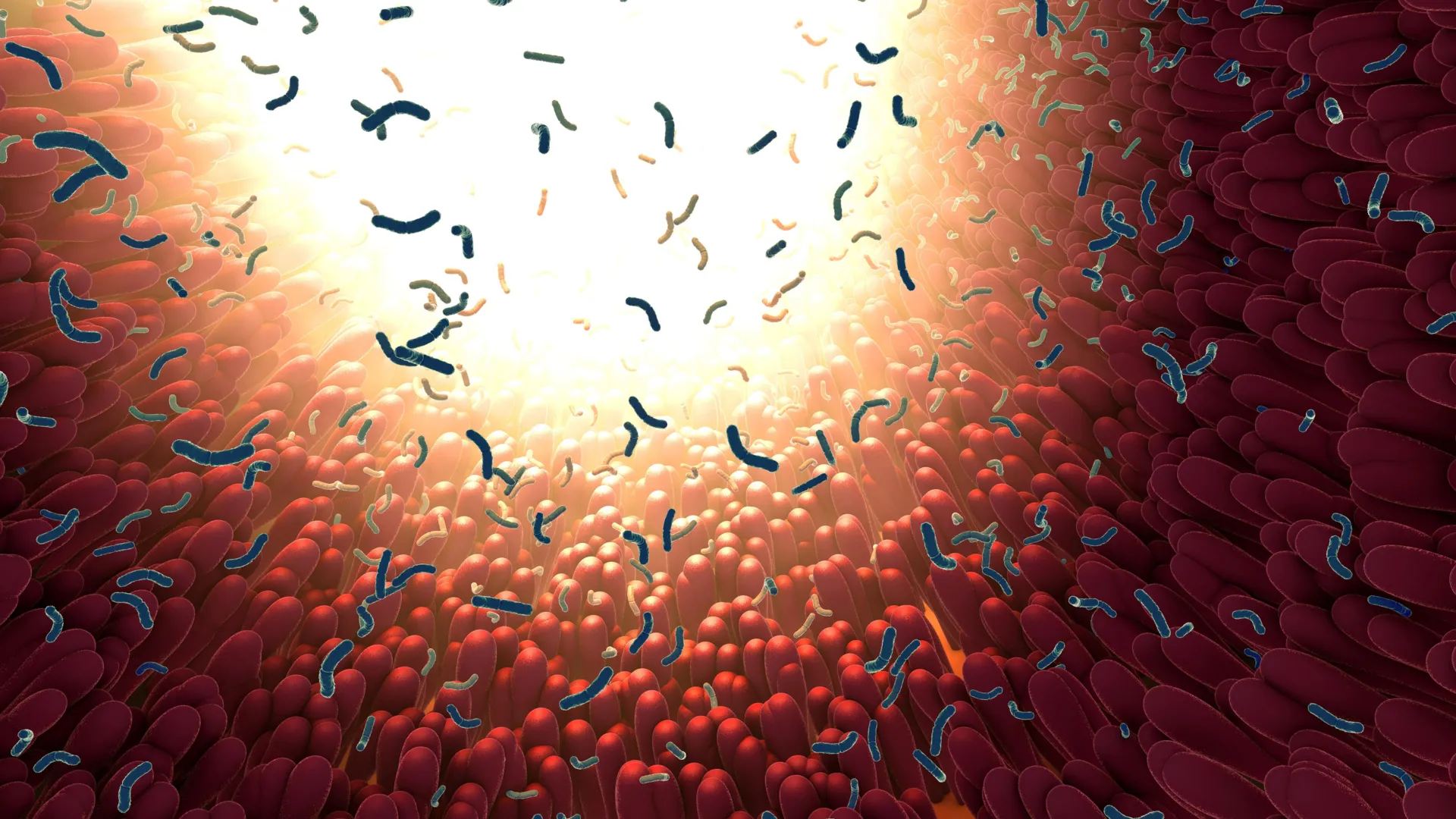
Two studies led by Jenna AbuSalim and Joshua Rabinowitz, director of the Princeton Branch of the Ludwig Institute for Cancer Research, indicate that fiber is not the only plant component shaping the gut microbiome. According to Science Daily, the work shows that certain plant proteins which survive digestion work alongside fiber to push gut bacteria toward producing beneficial chemicals rather than potentially harmful ones. One paper appeared in the Proceedings of the National Academy of Sciences, while the second was published in Nature Metabolism in June.
Why it matters
Plant-rich diets are already linked to digestive health, immune function, metabolism and cardiovascular health, and a diverse gut microbiome is considered one reason. Science Daily reports that the new findings suggest the value of plant foods may depend on more than their familiar fiber, vitamin and mineral content. The amount and type of protein that escapes digestion could also influence how a meal affects intestinal chemistry.
Rabinowitz framed the work in therapeutic terms. Interest is growing across medical fields in altering the human microbiome or using its metabolic products as treatments, he said, and diet offers significant promise for controlling the microbiome and what it produces. Effective interventions, he added, require knowing which dietary components govern which microbial outputs.
Tracking two families of phenol metabolites
The PNAS study focused on phenol metabolites, chemicals formed when the body or microbes break down nutrients. Some are needed for normal biology; others cause problems when they build up. The team examined compounds produced when gut bacteria process two amino acids, tyrosine and phenylalanine.
Science Daily reports that two metabolites derived from phenylalanine, phenylpropionate and hippuric acid, are tied to healthy body weight and better gut health. Two derived from tyrosine, p-cresol sulfate and phenol sulfate, have been associated with poorer outcomes in cancer patients and with harmful effects across the body in people with kidney disease.
The researchers tested whether different parts of plant foods could change which of these substances microbes make. According to AbuSalim, both the fiber and the indigestible plant proteins — which the team calls "proteins imitating fiber," or Prif — moved the balance away from the harmful tyrosine-derived compounds toward the healthful phenylalanine-derived ones.
Indigestible plant proteins have drawn far less scientific attention than fiber. The researchers found that these proteins reach the microbiome intact enough to serve as raw material for bacterial metabolism, shaping which microbes flourish and which chemicals they release. The proteins do not act alone: they cooperate with fiber to alter how bacteria process nutrients.
Harmful compounds traced to the gut's mucus layer
The second line of inquiry addressed where bacteria get the ingredients for harmful metabolites. The team labeled proteins with stable, non-radioactive isotopes, giving the molecules a detectable chemical signature so their movement and processing could be followed in mice.
Science Daily reports a clear split. The potentially harmful phenols came from bacteria breaking down proteins belonging to the host, including proteins in the mucus layer that coats the intestines — a barrier that helps keep microbes away from the cells lining the gut. The beneficial phenols were produced almost entirely from indigestible proteins supplied by food.
Fiber curbed bacterial breakdown of that protective mucus, cutting production of the harmful phenols. Prif, meanwhile, gave the microbes more dietary protein to work with, encouraging beneficial output instead.
The Nature Metabolism paper challenges another assumption: that many important chemical compounds circulating in the body come solely from intestinal microbes.
What to watch: whether these mouse findings hold in human studies, and whether Prif content becomes a measurable quality of plant foods or a target for microbiome-directed diets.